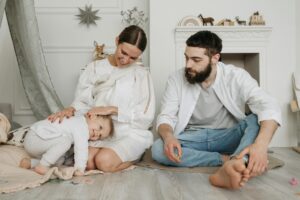
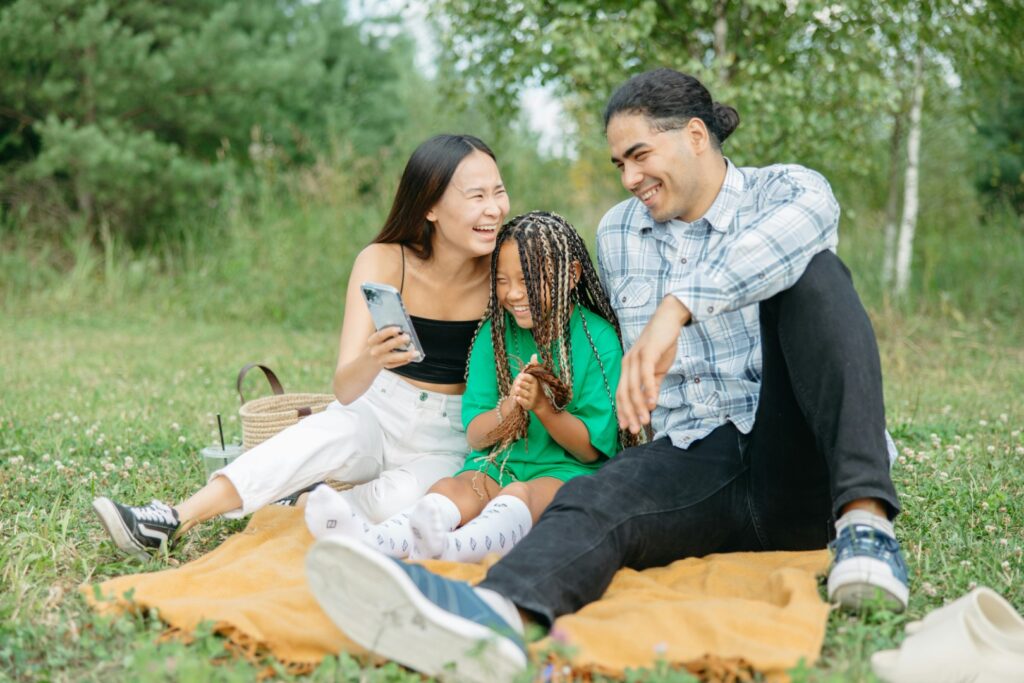
Hi! My name is Brit. I’m not a licensed therapist, but I am both a bio mom and a stepmom—and I’ve been walking the road of blending a family for the past few years. I know firsthand that blending families is one of the most sacred, challenging, and refining journeys we can take.
Whether you’re just starting this process or have been navigating it for a while, I hope this blog offers encouragement, insight, and practical wisdom. I’ll be sharing principles from Ron Deal, a leading expert on stepfamily dynamics and founder of Smart Stepfamilies, along with things I’ve learned in the trenches.
As someone who deeply values mental and emotional health, I also believe that seeking guidance from a therapist can be an incredibly powerful support along the way.
Let’s dive in. 🙂
Blending families is not simply a logistical challenge—it’s an emotional, spiritual, and relational one. Whether you’re newly remarried or years into stepparenting, the path can be complicated. Ron Deal, one of the leading voices in stepfamily dynamics and founder of Smart Stepfamilies, offers biblically grounded and research-based wisdom that can help guide your journey… I can’t recommend his books enough!
Let’s explore how blending families with intentionality can create lasting bonds and emotional safety for everyone involved.
Blending Families Takes Time—And That’s Okay
One of Ron Deal’s core principles is the importance of patience. Blending families isn’t instant. Unlike the “blender” analogy often used, Deal encourages us to think of it as a crockpot—slow, steady, and long-simmering.
Children, especially, need time to adjust. Relationships between stepparents and stepchildren form over time and through shared experiences, not forced affection. As you navigate this season, consider the question: “How can I build trust today?”
If you’re feeling discouraged, know this is normal. You’re not failing—you’re simply in the crockpot.
Blending Families Means Honoring Loss and Loyalty Conflicts
Ron Deal also emphasizes that grief is a part of the process. Every member of the blended family—adults and children—brings with them past losses: divorce, death, or disrupted family dreams.
Children especially may wrestle with loyalty conflicts. Loving a stepparent might feel like betraying their biological parent. Instead of demanding affection, create space for their feelings. Let them know it’s okay to miss the life they once had.
A therapist near me once said, “Blended families aren’t broken. They’re healing.” That truth is powerful.
Blending Families Requires United Parenting
One of the most common struggles in blending families is discipline and parenting roles. Deal recommends that biological parents take the lead in correction, while stepparents build relational capital first.
United parenting means talking behind closed doors, agreeing on boundaries, and showing a united front. When couples aren’t aligned, kids can sense the tension—and may exploit it. But when unity is modeled, it creates a sense of safety.
If this feels especially hard, working with a therapist can be incredibly helpful in aligning your parenting approach.
Build a Family Identity Rooted in Grace
Blending families isn’t just about behavior management—it’s about building a shared identity. Ron Deal encourages couples to be intentional about creating family rituals, shared values, and traditions that say, “We are in this together.”
Pray together. Laugh often. Celebrate small wins. Remember that you are building something new—not recreating what was.
A Therapist Can Support Your Blending Journey
Whether you’re in the early stages or hitting new challenges, you don’t have to do this alone. Family therapy can provide a safe space to work through the emotional layers, set realistic expectations, and find connection again.
Searching for a therapist who understands blended family dynamics can be the first step in creating a thriving, grace-filled home.
Ready to Take the Next Step?
If your blended family is navigating tough terrain, we’re here to help. Reach out today to schedule an appointment and begin your journey toward connection and healing.